
Direct answer
Carpenters from EU/EEA countries and Switzerland can work in Nijmegen without a work permit, while non-EU workers must obtain one before starting employment. Nijmegen offers steady demand for carpenters, especially in residential renovations, infrastructure projects, and commercial construction. Pay depends on experience, contract type, and CAO agreements, generally competitive within the Dutch market but balanced by local living costs. Basic Dutch or English language skills and VCA safety certification are often required. Housing is frequently arranged by agencies like Haldu Groep, typically providing private bedrooms in shared apartments. Nijmegen’s compact size and excellent public transport and cycling infrastructure make commuting convenient. Contracts are usually full-time, with options for temporary or permanent employment.
Key points
- EU/EEA/Swiss carpenters do not need a work permit; non-EU carpenters must obtain one before employment.
- Nijmegen’s carpenter jobs focus on residential renovations, infrastructure, and commercial construction.
- Pay varies by experience, CAO agreements, contract type, and employer; generally competitive in the Dutch market.
- Basic Dutch or English language skills are essential for safety and communication on site.
- VCA safety certification is often mandatory or highly recommended.
- Typical contracts are full-time, temporary or permanent, with possible overtime.
- Housing is often arranged by agencies or employers, usually with private bedrooms in shared apartments.
- Nijmegen’s public transport and cycling infrastructure support easy commuting.
- Standard PPE includes helmets, gloves, safety glasses, boots, and ear protection.
- Career growth is possible through apprenticeships, MBO courses, and language training.
- Understanding Dutch labor laws and CAO agreements helps ensure fair pay and conditions.
- Applying through agencies like Haldu Groep simplifies legal, housing, and onboarding processes.
Field expertise
Since 1999, Haldu Groep has specialized in placing skilled construction workers, including carpenters, across the Netherlands. Their expertise covers Dutch labor laws, collective labor agreements (CAOs), and safety regulations such as VCA certification. Haldu Groep supports foreign carpenters with work permits, housing arrangements, and integration into local job markets like Nijmegen. They understand the specific needs of carpenters on Dutch construction sites, including required tools, materials, and safety equipment. This experience helps foreign carpenters find suitable jobs with fair pay and good working conditions.
What should you know about carpenter jobs in Nijmegen: guide for foreign workers?
Nijmegen’s construction sector is active and diverse, with projects ranging from urban residential renovations to infrastructure upgrades and commercial building work. EU/EEA and Swiss nationals have the right to work without permits, but non-EU workers must secure valid work permits before starting. Language skills are important; Dutch is the main language on site, but English is often used as a common language. Safety is a priority, so certifications like VCA are essential. Housing options vary, but agencies often provide well-managed accommodations, usually with private bedrooms in shared apartments. Understanding local labor laws and collective agreements helps carpenters negotiate fair pay and contracts. Nijmegen’s compact size and excellent transport links make commuting manageable, even from nearby towns.
How does carpenter jobs in Nijmegen: guide for foreign workers work in practice?
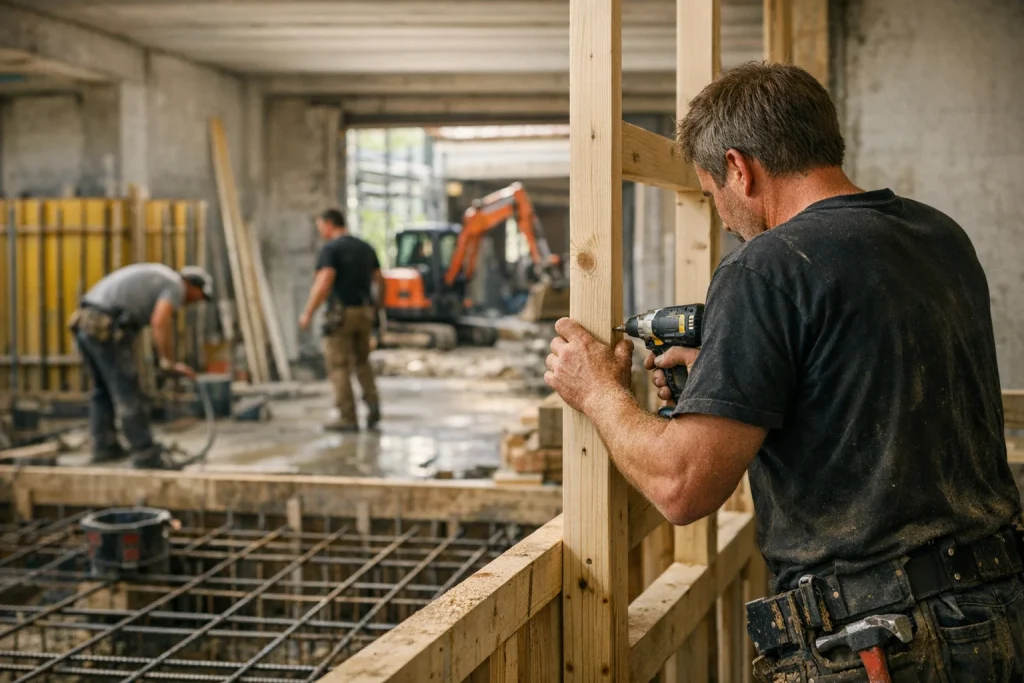
Carpenters in Nijmegen typically work on wood framing, joinery, and finishing tasks in residential, commercial, and public infrastructure projects. Employers expect carpenters to use standard tools such as circular saws, chisels, and power drills. Work is usually full-time, with contracts ranging from temporary to permanent. Safety training and PPE use are strictly enforced on site. Foreign carpenters often find jobs through agencies like Haldu Groep, which assist with legal paperwork, housing, and onboarding. Commuting is convenient due to Nijmegen’s public transport and bike-friendly roads. Typical workdays start early and include measuring, cutting, assembling wood frames, and installing fixtures.
Which conditions apply for carpenter jobs in Nijmegen: guide for foreign workers?
Carpentry jobs in Nijmegen follow Dutch labor laws and CAO agreements such as CAO Bouw & Infra, regulating wages, working hours, and benefits. Health and safety standards require mandatory use of PPE and safety certifications like VCA. Non-EU workers must have valid work permits. Contracts are typically full-time with a 40-hour workweek, but overtime may occur. Housing is often arranged by the employer or agency, with private rooms in shared apartments common. Language skills and cultural adaptation influence job success. Workers must respect Dutch workplace norms, including punctuality and direct communication.
Which mistakes are common around carpenter jobs in Nijmegen: guide for foreign workers?
Common mistakes include starting work without the correct permit (for non-EU workers), underestimating the importance of language skills, and neglecting required safety certifications like VCA. Some carpenters fail to verify contract details or misunderstand CAO terms, leading to pay or benefit disputes. Housing arrangements can be overlooked, causing last-minute accommodation challenges. Lack of familiarity with Dutch work culture and communication styles may cause misunderstandings on site. Preparing a CV that does not meet Dutch standards can reduce job chances. Additionally, some workers underestimate the physical demands and safety rules of Dutch construction sites.
How do you proceed step by step?
- Check your eligibility to work in the Netherlands based on nationality.
- Obtain necessary work permits if you are a non-EU/EEA/Swiss citizen.
- Prepare a CV tailored to Dutch standards, emphasizing relevant carpentry skills and certifications.
- Apply for jobs via agencies like Haldu Groep or directly with employers in Nijmegen.
- Complete or renew safety certifications such as VCA.
- Arrange housing, either through your employer, agency, or independently.
- Prepare for relocation by learning basic Dutch or improving English communication skills.
- Start work, following all safety and labor regulations.
- Consider further training or apprenticeships for career growth.
What should you check before you start?
- Confirm your legal right to work and have the correct permit if needed.
- Review your employment contract carefully, including pay, hours, and benefits.
- Verify that you have required certifications, especially VCA safety training.
- Ensure housing arrangements are confirmed and suitable.
- Check the location and commuting options to your job site in Nijmegen.
- Understand the tools and PPE you need to bring or will be provided.
- Clarify language expectations and communication on site.
What does this look like in practice?
A foreign carpenter arriving in Nijmegen typically meets their agency or employer for an introduction to the project and safety briefing. They confirm or obtain VCA certification and receive PPE such as helmet, gloves, and boots. Workdays usually start early, with tasks like measuring, cutting, assembling wood frames, and installing fixtures. Communication is often in Dutch or English, depending on the team. Housing is arranged nearby, often a shared apartment with a private room. Public transport or cycling is common for commuting. Pay is processed monthly under CAO agreements.
| Aspect | EU/EEA/Swiss Workers | Non-EU Workers |
|---|---|---|
| Work Permit | Not required | Required before starting work |
| Language Requirement | Basic Dutch or English recommended | Basic Dutch or English recommended |
| Housing | Often arranged by agency/employer | Often arranged by agency/employer |
| Typical Contract | Temporary or permanent, full-time | Temporary or permanent, full-time |
| Safety Certification (VCA) | Often mandatory | Often mandatory |
| Common Carpentry Projects in Nijmegen | Typical Employers |
|---|---|
| Residential renovations and extensions | Local construction firms, housing corporations |
| Public infrastructure woodwork (bridges, walkways) | Municipal contractors, infrastructure companies |
| Commercial building joinery | Specialized carpentry companies, contractors |
| Custom wood paneling and interiors | Interior design firms, bespoke workshops |
| Pay Factors | Details |
|---|---|
| Experience | Depends on experience and certifications |
| CAO Agreement | Sets minimum wages and benefits |
| Contract Type | Permanent contracts often offer better conditions than temporary |
| Employer Size | Larger firms may offer better pay and benefits |
| Project Type | Specialized or urgent projects may offer bonuses |
Frequently asked questions
Do I need a work permit to work as a carpenter in Nijmegen?
What language skills are required for carpenters in Nijmegen?
Is VCA certification mandatory for carpenters in Nijmegen?
How can I find housing when moving to Nijmegen for carpentry work?
What are typical working hours for carpenters in Nijmegen?
How does pay for carpenters in Nijmegen compare to other Dutch cities?
What personal protective equipment (PPE) do carpenters use in Nijmegen?
Can I advance my career as a carpenter in Nijmegen?
How do agencies like Haldu Groep help foreign carpenters?
Is public transport accessible for carpenters living in Nijmegen?
Conclusion
Foreign carpenters aiming to work in Nijmegen should first confirm their legal work status and obtain necessary permits if non-EU. Preparing a Dutch-style CV, securing VCA certification, and improving language skills will boost job prospects. Agencies like Haldu Groep can facilitate job placement and housing arrangements, easing relocation challenges. Understanding CAO agreements and safety regulations ensures fair pay and safe working conditions. With Nijmegen’s accessible transport and steady demand for carpenters, foreign workers can build a rewarding career while enjoying the city’s quality of life.
