
Direct answer
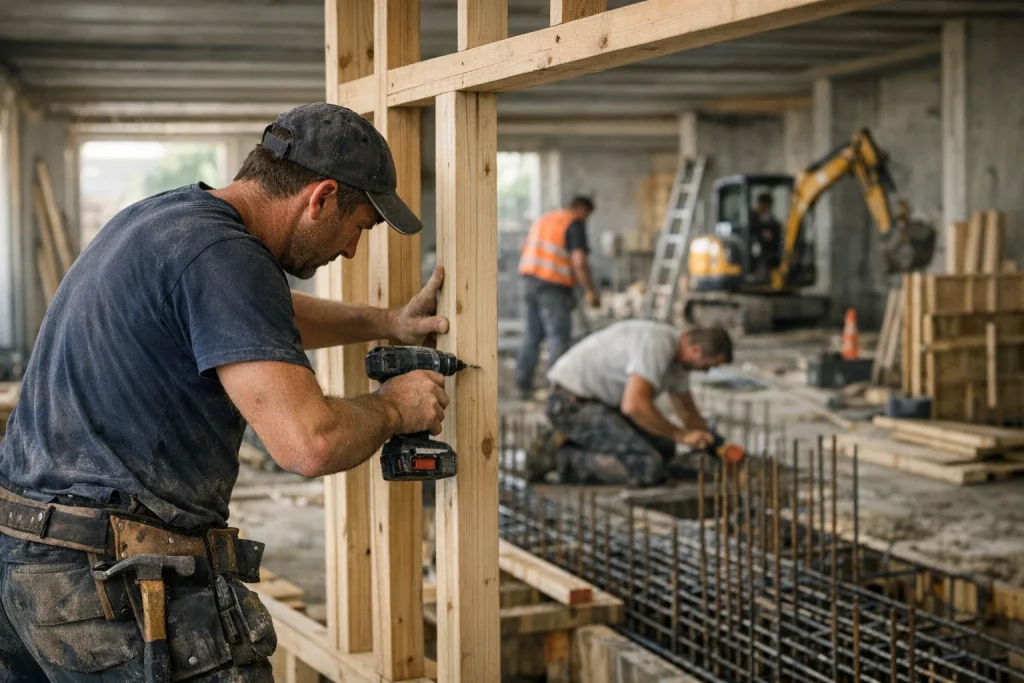
Carpenter jobs in the Netherlands are accessible to foreign workers, with work rights varying by nationality. EU, EEA, and Swiss citizens can work freely without permits, while non-EU nationals must obtain a work permit, usually requiring employer sponsorship. The Dutch construction sector offers competitive salaries, often higher than in many European countries when considering living costs. Essential requirements include VCA safety certification and basic Dutch language skills for effective communication and safety compliance. Recognized qualifications or relevant experience improve job prospects. Employers typically provide safety gear, while carpenters bring personal tools. Overall, foreign carpenters can find good opportunities if they meet legal, professional, and safety requirements.
Key points
- EU/EEA/Swiss citizens can work as carpenters in the Netherlands without a work permit.
- Non-EU carpenters need a valid work permit, usually sponsored by a Dutch employer.
- Carpenter salaries in the Netherlands are generally higher than in many European countries, considering living costs.
- VCA safety certification is often mandatory or highly preferred on construction sites.
- Basic Dutch language skills improve workplace communication and safety compliance.
- The CAO Bouw & Infra collective labor agreement regulates wages, working hours, and benefits.
- Standard working hours range from 36 to 40 hours per week, with overtime paid according to CAO rules.
- Employers usually provide safety equipment; carpenters typically bring their own tools.
- Housing availability depends on the placement and employer; with Haldu Groep, housing is typically well arranged, often including a private bedroom.
- Recognized vocational qualifications or apprenticeships increase employability.
- Strict health and safety regulations protect workers on Dutch construction sites.
- Good commuting options include cycling and public transport in most Dutch cities.
Field expertise
Since 1999, Haldu Groep has connected skilled workers with construction employers in the Netherlands, including carpentry roles. The Dutch construction industry is well-organized, with clear labor laws and a strong focus on safety. Demand for carpenters remains steady due to ongoing building and renovation projects nationwide. The CAO Bouw & Infra collective labor agreement ensures fair wages and working conditions. Employers prioritize candidates with VCA safety certification and vocational training such as MBO Bouwkunde or apprenticeships. Language proficiency and relevant experience are key to career advancement. Organizations like Haldu Groep assist foreign carpenters with work permits, job placement, and relocation logistics, including housing arrangements that are typically well managed.
What should you know about carpenter jobs in the Netherlands for foreign workers?
Foreign carpenters should understand the legal framework, language expectations, and labor market conditions in the Netherlands. EU/EEA/Swiss nationals can work without permits, while non-EU workers must secure a work permit, usually requiring a job offer and employer sponsorship. Safety is a priority; VCA certification is often mandatory or preferred. Basic Dutch language skills help with safety instructions and teamwork. The CAO Bouw & Infra agreement governs wages, working hours, and benefits, providing protections for workers. Housing availability can be limited, especially in large cities, but some employers offer assistance. Having recognized qualifications or relevant experience greatly improves chances of quick employment.
How does carpenter jobs in the Netherlands for foreign workers work in practice?
Foreign carpenters typically find jobs through recruitment agencies, online platforms, or direct employer contact. EU/EEA/Swiss workers can start immediately after registering with the local municipality. Non-EU workers must obtain a work permit before starting employment. Most carpenters work full-time, usually 36-40 hours per week, with overtime compensated according to CAO rules. Employers provide basic safety gear like helmets and gloves, while carpenters bring their own tools such as hammers and measuring tapes. VCA certification is usually verified before hiring. Language skills facilitate understanding instructions and safety briefings. Housing arrangements vary; some employers assist with accommodation or provide temporary housing. With Haldu Groep, housing is typically well arranged, often including a private bedroom for the worker.
Which conditions apply for carpenter jobs in the Netherlands for foreign workers?
Conditions include valid work authorization, compliance with the CAO Bouw & Infra collective labor agreement, and adherence to health and safety regulations. Wages depend on experience, role, region, and collective agreements but must meet CAO minimums. Working hours typically range from 36 to 40 hours per week, with overtime paid according to CAO rules. VCA safety certification is often required to work on construction sites. Basic Dutch language skills are recommended for effective communication and safety. Employment contracts must comply with Dutch labor law, including social security and tax registration. Non-EU workers must have valid permits, and employers are responsible for registering them with Dutch authorities.
Which mistakes are common around carpenter jobs in the Netherlands for foreign workers?
Common mistakes include working without the correct permit (for non-EU workers), underestimating the importance of Dutch language skills, and lacking required safety certifications like VCA. Some carpenters do not verify if their qualifications are recognized, delaying employment. Others fail to clarify housing arrangements before arrival, leading to difficulties. Bringing inappropriate or unsafe tools can cause problems on site. Misunderstanding CAO rules on working hours and pay may cause disputes. Insufficient knowledge of Dutch labor law and worker rights can leave carpenters vulnerable to exploitation or unfair treatment.
How do you proceed step by step?
- Determine your nationality: EU/EEA/Swiss or non-EU.
- If non-EU, secure a job offer from a Dutch employer willing to sponsor a work permit.
- Obtain necessary certifications, especially the VCA safety certificate.
- Prepare a clear CV highlighting carpentry experience and qualifications.
- Learn basic Dutch phrases related to construction and safety.
- Apply for jobs through recruitment agencies, online platforms, or direct employer contact.
- Arrange housing or confirm employer assistance with accommodation.
- Register with the municipality upon arrival (for EU/EEA/Swiss citizens).
- Review and understand your employment contract and CAO Bouw & Infra terms.
- Start work, following all safety and labor regulations.
What should you check before you start?
- Work permit status and validity (for non-EU workers).
- VCA safety certification or plans to obtain it.
- Recognition of your carpentry qualifications or relevant experience.
- Employment contract details: wages, hours, overtime, and benefits.
- Housing arrangements and local living costs.
- Required tools and whether the employer provides them.
- Basic Dutch language skills for safety and communication.
- Health and safety rules on the job site.
- Commuting options and travel time to work.
What does this look like in practice?
A carpenter from Romania moves to the Netherlands, benefiting from EU freedom of movement. They register with the local municipality and apply for jobs through recruitment agencies and online boards. They ensure they have a valid VCA safety certificate and bring personal tools such as a hammer and measuring tape. Working 40 hours per week under the CAO Bouw & Infra agreement, they earn a competitive salary generally higher than in their home country when adjusted for living costs. The employer provides safety gear like helmets and gloves. The carpenter rents a room near the job site and cycles daily. Over time, they improve Dutch language skills and secure permanent employment.
| Nationality | Work Permit Required? | Permit Process | Start Work Timeline |
|---|---|---|---|
| EU/EEA/Switzerland | No | Not required | Immediately after registration |
| Non-EU | Yes | Employer sponsorship and IND approval | After permit approval (weeks to months) |
| Certification | Purpose | Required? | Typical Cost |
|---|---|---|---|
| VCA (Safety) | Workplace safety compliance | Often mandatory | Varies by provider |
| MBO Bouwkunde | Vocational carpentry training | Preferred | Varies by institution |
| Working Hours | Standard Week | Overtime Pay | Typical Shift |
|---|---|---|---|
| Carpenters | 36-40 hours | Paid according to CAO rules | Mon-Fri, 7:00-16:00 (varies) |
| Salary Range (Gross/Month) | Entry Level | Experienced | Highly Skilled |
|---|---|---|---|
| Carpenter | Depends on experience / CAO | Depends on experience / CAO | Depends on experience / CAO |
Frequently asked questions
Do I need a work permit to work as a carpenter in the Netherlands?
What is the average salary for carpenters in the Netherlands?
Is Dutch language required for carpenter jobs?
What certifications do I need?
Can I bring my own tools?
How many hours do carpenters work weekly?
Are there housing options for foreign carpenters?
How can I find carpenter jobs in Dutch cities?
What is the CAO Bouw & Infra?
Is health and safety enforced on Dutch construction sites?
Conclusion
Carpenter jobs in the Netherlands offer solid opportunities for foreign workers, especially EU/EEA/Swiss citizens who can work without permits. Non-EU workers must secure employer sponsorship and work permits. Success depends on obtaining key certifications like VCA, learning basic Dutch, and having recognized experience. The CAO Bouw & Infra agreement ensures fair wages and working conditions. Housing and commuting require planning, but competitive salaries and steady demand make the Netherlands attractive for skilled carpenters. Prepare your CV, secure necessary documents, and apply through trusted channels to start your career in Dutch carpentry.
