
Direct answer
Utility plumber jobs in Apeldoorn are accessible to foreign workers, with work rights depending on nationality. Citizens from the EU, EEA, and Switzerland can work without a permit, while non-EU nationals must obtain a valid Dutch work permit or EU Blue Card before starting. Recognized plumbing qualifications and VCA safety certification are generally required to meet Dutch standards. Pay is competitive within the Dutch installation trades but varies by experience, CAO agreements, and contract type. Housing is often arranged by recruitment agencies such as Haldu Groep, typically offering private bedrooms in shared accommodations. Basic Dutch language skills are important for communication and safety. Plumbing work in Apeldoorn covers residential, commercial, and utility infrastructure projects, with most sites accessible by bike or public transport within reasonable commute distances.
Key points
- EU/EEA/Swiss plumbers can work in Apeldoorn without a permit; non-EU plumbers require a valid work permit or EU Blue Card.
- Recognized plumbing qualifications and VCA safety certification are usually mandatory.
- Pay depends on experience, CAO agreements, role, and contract type; Dutch construction wages are competitive.
- Housing is typically arranged by agencies or employers, often with private bedrooms in shared housing.
- Apeldoorn plumbing projects cover residential, commercial, and public utility infrastructure.
- Basic Dutch language skills improve communication and safety on site.
- VCA certification ensures compliance with Dutch construction safety standards.
- Commutes are manageable by bike or public transport, as most projects are in or near Apeldoorn.
- Haldu Groep has supported foreign plumbers in the Netherlands since 1999.
- Dutch labor law and CAO agreements protect worker rights, pay, and working conditions.
- Common plumbing tools include pipe wrenches, cutters, plumbing snakes, and pressure gauges; PPE is required.
- Training and apprenticeships are available to help foreign plumbers upgrade skills locally.
Field expertise
Since 1999, Haldu Groep has specialized in placing foreign workers in Dutch installation trades, including utility plumbing. The Dutch plumbing sector is regulated by collective labor agreements (CAOs) that set minimum wages, working hours, and conditions. Utility plumbers in Apeldoorn install and maintain water, gas, and heating systems in residential, commercial, and public infrastructure projects. VCA safety certification is widely recognized and often required to meet Dutch construction site safety regulations. Foreign plumbers benefit from agencies that assist with legal paperwork, housing, and integration into the local workforce. The Dutch construction sector offers wages generally higher than many other European countries, though pay depends on experience, role, and contract type. Language skills and understanding local work culture are essential for success.
What should you know about utility plumber jobs in Apeldoorn: guide for foreign workers?
Utility plumber jobs in Apeldoorn require specific qualifications and legal permissions depending on your nationality. EU/EEA/Swiss citizens have the right to work without a permit, while non-EU workers must secure a valid work permit or EU Blue Card. The plumbing trade involves installing pipes, leak detection, system maintenance, and inspections. Employers expect recognized vocational training or equivalent experience. VCA safety certification is often mandatory or highly recommended to comply with Dutch safety standards. Pay is regulated by CAOs, ensuring fair wages and working conditions. Housing for foreign plumbers is typically arranged by recruitment agencies, with options ranging from shared apartments to private rooms. Basic Dutch language skills improve communication on job sites and safety compliance.
How does utility plumber jobs in Apeldoorn: guide for foreign workers work in practice?
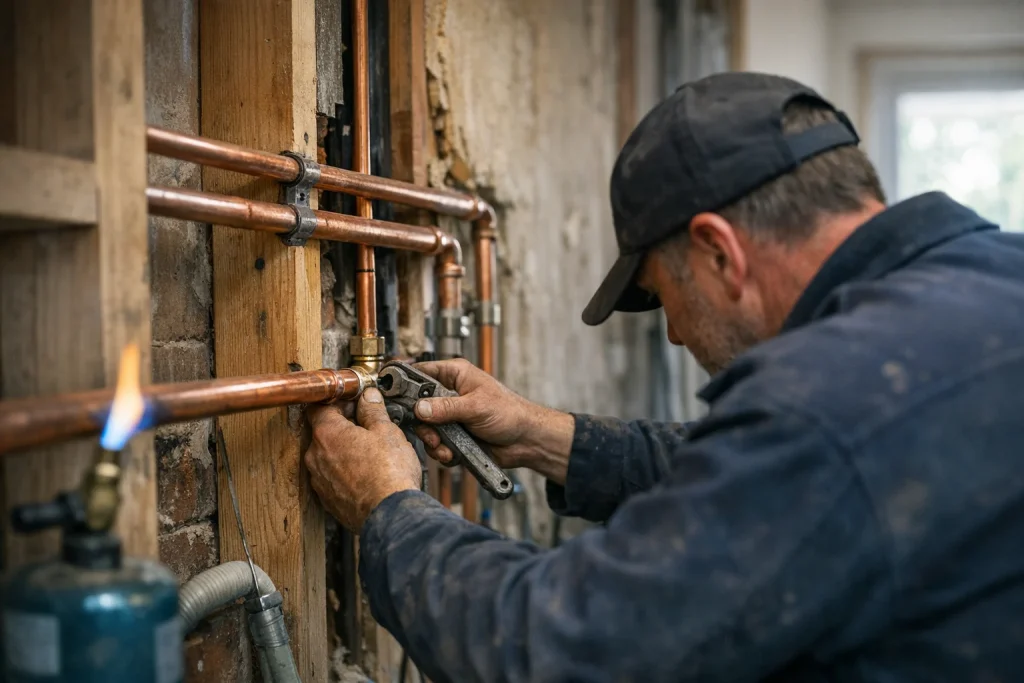
Foreign utility plumbers in Apeldoorn usually find work through specialized agencies like Haldu Groep, which handle recruitment, legal paperwork, and housing arrangements. Once hired, plumbers work on diverse projects such as residential renovations, commercial installations, or municipal utility infrastructure. Daily tasks include fitting copper, PVC, or PEX pipes, soldering joints, pressure testing systems, and troubleshooting leaks. Safety equipment like gloves, protective glasses, and work boots are standard. Most projects are located within or near Apeldoorn, allowing manageable commutes by bike or public transport. Employers expect workers to follow Dutch labor laws and CAO agreements, including working hours and breaks. Language skills are important for understanding instructions and safety protocols.
Which conditions apply for utility plumber jobs in Apeldoorn: guide for foreign workers?
Conditions include legal work authorization, recognized qualifications, and compliance with safety standards. EU/EEA/Swiss workers do not need a permit; non-EU plumbers must have a valid work permit or EU Blue Card. Employers require vocational plumbing certificates and often VCA certification. Employment contracts follow Dutch labor law and CAOs that regulate pay, working hours, overtime, and holidays. Housing is usually arranged by the employer or agency, with private bedrooms common. Workers must use personal protective equipment (PPE) such as gloves, safety glasses, and boots. Basic Dutch language skills are expected to ensure clear communication and safety compliance on site.
Which mistakes are common around utility plumber jobs in Apeldoorn: guide for foreign workers?
- Starting work without the proper legal permit if non-EU.
- Underestimating the importance of VCA safety certification.
- Not verifying the legitimacy of the employer or recruitment agency.
- Failing to learn basic Dutch, which hinders communication and safety.
- Ignoring the terms of the CAO or employment contract details.
- Not confirming housing arrangements before arrival.
- Using incorrect or unsafe tools and neglecting PPE requirements.
- Overlooking local commuting options, leading to delays or extra costs.
How do you proceed step by step?
- Check your nationality: EU/EEA/Swiss workers do not need a permit; non-EU workers must apply for a work permit or EU Blue Card.
- Obtain recognized plumbing qualifications and VCA safety certification if required.
- Prepare a clear CV highlighting your plumbing experience and certifications.
- Contact reputable agencies like Haldu Groep for job placement and housing support.
- Review and sign a written employment contract following Dutch labor law and CAO terms.
- Arrange housing, often provided or facilitated by your employer or agency.
- Learn basic Dutch phrases related to plumbing and safety.
- Start work, using proper tools and PPE, and follow safety protocols.
- Maintain communication with your employer and agency for support and integration.
What should you check before you start?
- Verify your legal right to work in the Netherlands (work permit if non-EU).
- Confirm your plumbing qualifications are recognized in the Netherlands.
- Ensure you have or will obtain VCA safety certification.
- Review your employment contract carefully, including pay, hours, and benefits.
- Check housing arrangements and living costs in Apeldoorn.
- Understand the CAO that applies to your job and its conditions.
- Prepare your personal protective equipment or confirm it will be provided.
- Learn about local transport options and commute times.
- Know your rights as a worker under Dutch and EU law.
What does this look like in practice?
A foreign utility plumber arriving in Apeldoorn typically starts by meeting with their agency or employer to finalize paperwork and receive job site assignments. They receive an introduction to safety rules and required PPE, often including gloves, boots, and glasses. Daily work involves installing and maintaining plumbing systems using tools like pipe wrenches, cutters, and pressure gauges. Communication with Dutch colleagues may require basic Dutch or English. Housing is often in shared apartments or worker housing with private bedrooms arranged by the agency. Commutes are usually short, with many workers biking or using public transport. Pay is received monthly according to CAO agreements, and workers have access to Dutch labor protections and social benefits.
| Aspect | EU/EEA/Swiss Workers | Non-EU Workers |
|---|---|---|
| Work Permit | Not required | Required before starting work |
| Qualifications | Recognized plumbing certificate needed | Recognized plumbing certificate needed |
| VCA Certification | Often mandatory | Often mandatory |
| Housing | Usually arranged by agency/employer | Usually arranged by agency/employer |
| Language | Basic Dutch recommended | Basic Dutch recommended |
| Pay Factors | Details |
|---|---|
| Experience Level | Depends on experience and CAO agreements |
| CAO Agreement | Determines minimum wages and benefits |
| Contract Type | Permanent contracts often pay more than temporary |
| Role Complexity | Specialized tasks may earn higher wages |
| Common Tools | Purpose |
|---|---|
| Pipe Wrench | Gripping and turning pipes |
| Pipe Cutter | Cutting pipes to length |
| Plumbing Snake | Clearing blockages |
| Pressure Gauge | Testing system pressure |
Frequently asked questions
Do I need a work permit to work as a utility plumber in Apeldoorn?
What qualifications are required for utility plumbers in Apeldoorn?
How much can I expect to earn as a utility plumber in Apeldoorn?
Is housing provided for foreign plumbers in Apeldoorn?
How important is Dutch language proficiency for plumbers?
What safety certifications do I need?
What are typical plumbing projects in Apeldoorn?
How do I find a job as a foreign utility plumber in Apeldoorn?
Are there training opportunities for foreign plumbers in Apeldoorn?
What tools and PPE do plumbers use in Apeldoorn?
Conclusion
Foreign utility plumbers aiming to work in Apeldoorn should confirm their legal work status, obtain recognized qualifications and VCA certification, and prepare a clear CV. Partnering with agencies like Haldu Groep can ease job placement and housing arrangements. Basic Dutch language skills and understanding CAO agreements improve integration and job success. Apeldoorn offers diverse plumbing projects with manageable commutes and competitive pay under Dutch labor protections. Planning ahead for permits, housing, and training will help foreign plumbers build a stable career in this Dutch city.
